Northumberland 17th Century
“She was famous in her day as being both a witch and miser, although it would appear that her activities with money received more censure than any actual witchcraft.” Icy Sedgwick
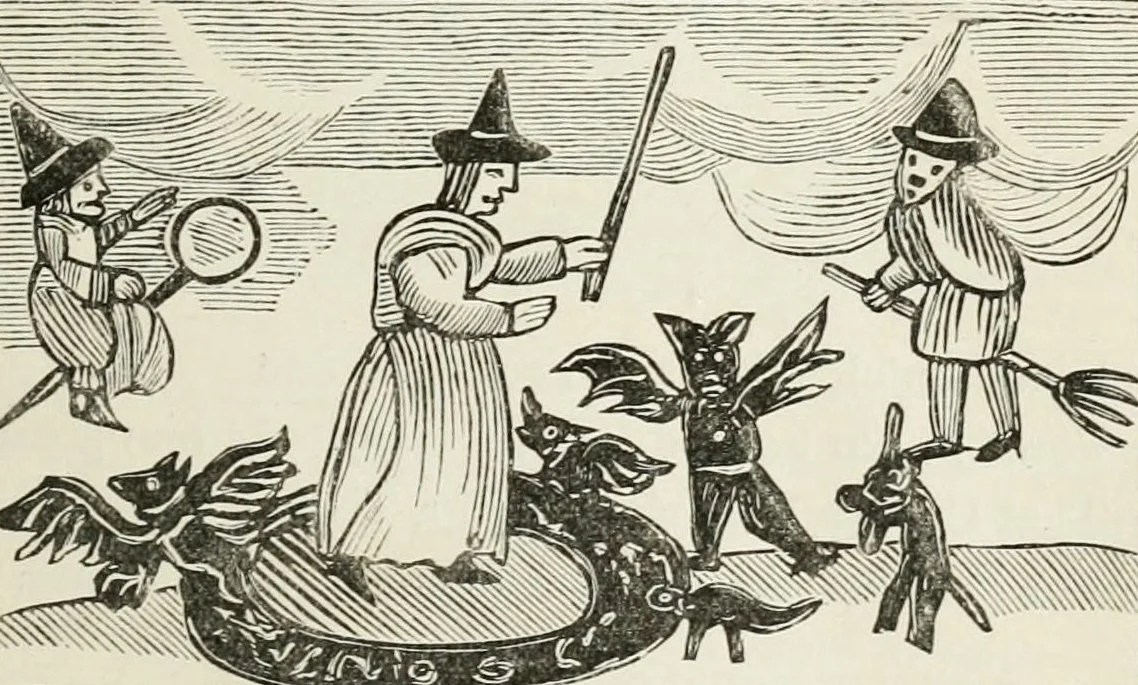
Meg of Meldon is, arguably, Northumberland’s most notorious witch. But… was she a witch? Most accused witches were just women who might’ve upset the wrong people. Was that the case with Meg?
Meg of Meldon, real name Margaret Fenwick (née Selby), was born in about 1570, and was the daughter of a Newcastle banker called William Selby, who was described as a “somewhat ruthless moneylender”. Margaret married Sir William Fenwick of Wallington, changing her last name, and acquiring Sir Fenwick’s fortune which was tied up in Meldon, the ancient seat of the Heron family. Sir Fenwick died in 1614, leaving Margaret to bring up seven young children on her own.
Despite owning many properties whilst Sir Fenwick was alive, once he passed the entire estates were held in trust for the eldest of her seven children. But Meg wanted her own property, so she decided on Meldon Hall. However, she couldn’t acquire Meldon Hall until the heir was dispossessed. When the Heron heir was away on business, the head of their family died suddenly… and suspiciously. Meg utilised this opportunity and demanded an instant repayment of the mortgage of Meldon Hall.
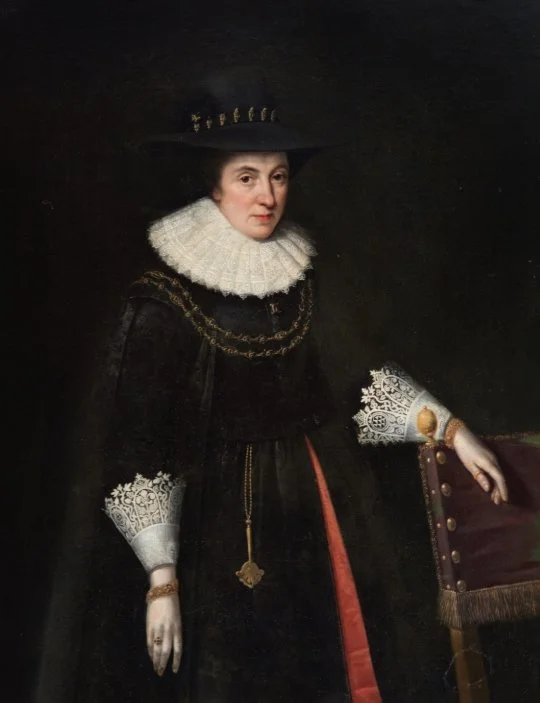
Portrait of supposed Meg, Seaton Delaval 1810
The heir could not get a new mortgage and pay off the old one in time and so Meg foreclosed on him and took the estate for herself. Given the strange and very sudden circumstances surrounding the death of the head of the family, the locals began gossiping. It was very fortunate timing for Meg and her newly acquired property. Could she have killed him?
But Meg wasn’t satisfied with acquiring one property back, she then seized Hartington Hall. Her excuse? The owner didn’t abide by a lesser known legal clause in the loan agreement… Rumours of her witchcraftery picked back up when the locals noticed that the farm lands surrounding Meldon Hall and Hartington Hall began flourishing, where their neighbour’s crops failed. There was a supposed underground tunnel linking Hartington Hall and Meldon Hall, which locals again jumped on to validate their claims.
After Meg’s death, she was buried at Newminster Abbey. Reports of her ghost were sighted around the abbey with many saying a black dog that materialised in the area was Meg’s spirit returning as a familiar. Some said that Meg was returning from the dead in areas where she supposedly buried treasure, and given her extreme wealth due to her capitalistic ways, it would make sense…
So, was Meg of Meldon a witch? Or was she just playing the system to make a lot of money, which may have angered a lot of locals?
Sources
Meg of Meldon: Northumberland's Famous Witch - Icy Sedgwick
? Elizabeth Selby | Catalogues | Art & the Country House
Matthews, Rupert. Mysterious Northumberland. DB Publishing, 2013.