Foraging Folklore: Emily Wild
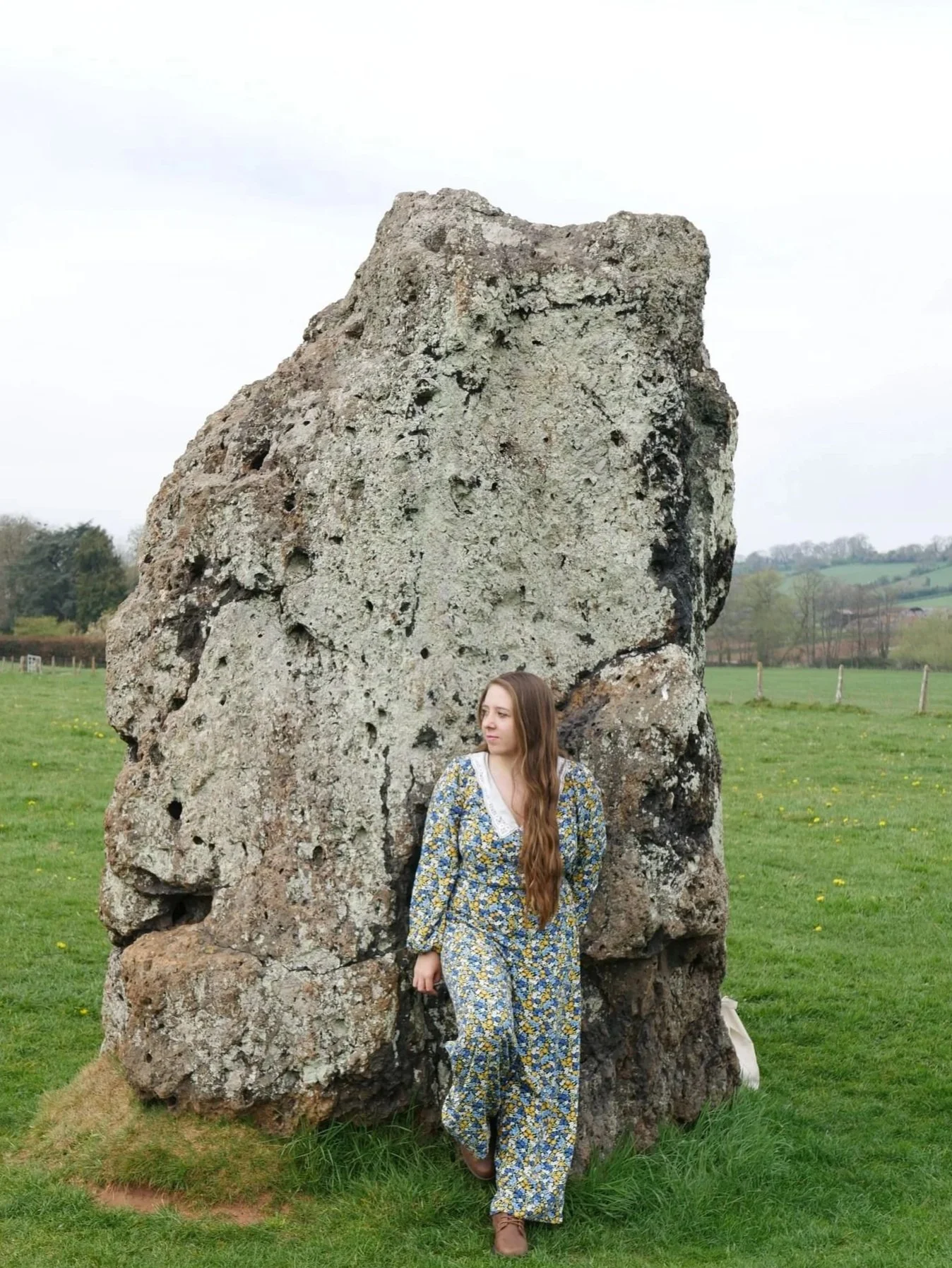
Emily Wild is a foraging guide and folk herbalist and her work invites others to reconnect with their local landscapes, the seasonal rhythms and tries to keep old and forgotten wisdom alive. Sharing traditional knowledge and stories about plants and how they can sustain us, Emily offers foraging walks and workshops using her outdoor leadership education with the Wildlife Trust.
We had the honour of chatting to Emily about reconnecting people with the seasons, nature and the history of our landscape, how the popularity of 'folklore' advocates for a greener, more sustainable society and which plantlore is her favourite!
Northern Folklore Archive: Your Foraging Folklore project aims to help people reconnect with the seasons, nature and the history of our landscape. Have you always had a passion for foraging and plantlore, or did someone/something in your life spur this on?
I’ve always had an affinity for folklore, fairytales and nature, but I had never fully gone down the rabbit hole of plantlore and foraging until later on in my life.
I attended a wildflower folklore and foraging workshop at a community farm and it sparked it off for me. I already spent my free time on walks with my partner photographing ancient landscapes, so after this workshop it just became an obsession that fit with my already existing hobbies and eventually has become something I want to explore as a business venture.
Do you hope that by teaching those who attend your walks about the traditional knowledge and history of plants will help them to reconnect with our heritage and feel more rooted in our history and folklore?
Yes, my historical and cultural background and my relationship to place has always felt a bit fragmented, however I loved that plantlore could connect you to anywhere you live and the people that came before us.
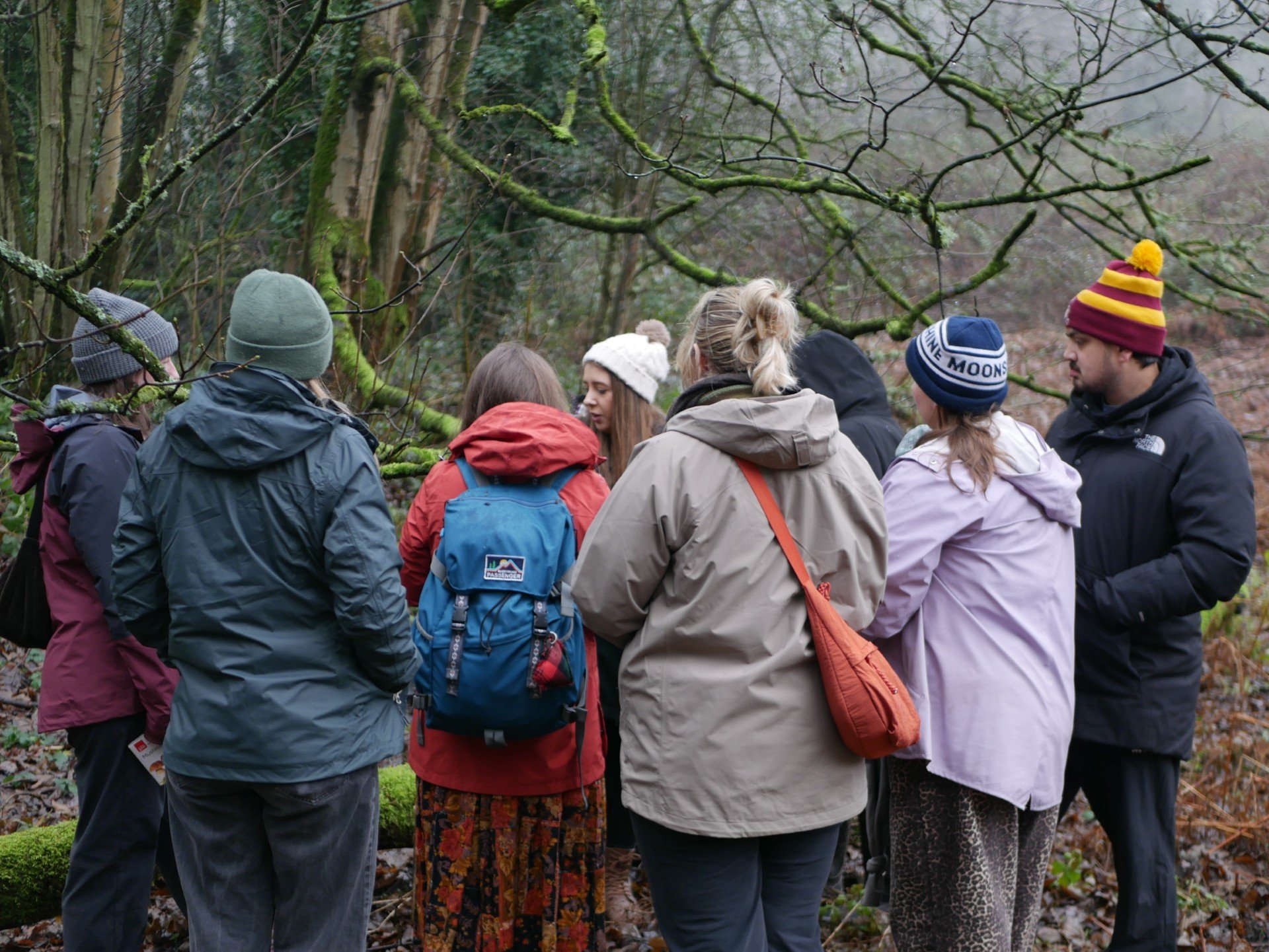
I’d like to offer that gift to others too. I first started delivering my walks to a green social prescribing charity for those with mental health issues living in deprived areas, I ran them in their local parks, to help keep the green spaces accessible. I loved learning from them and hearing their stories and memories connected to the plants and I noticed how many that hold this knowledge of plants are those that have worked hard on the land, having sadly seen their land being destroyed or being forced out of it.
Keeping history, folklore and our natural world alive feels important to me and I hope that offering my foraging walks helps towards this in at least some small way.
Do you believe that the resurgence in the popularity of 'folklore' will help towards advocating for a greener, more sustainable society?
I do feel it is a reaction to how our planet is changing, ecologically, psychologically and spiritually. I’m not sure how much of an impact folklore can have, but it has definitely helped me to be more grateful and curious about nature and our history with the land.
As well as feeling more of a sense of belonging. This has all led to the growth of my appreciation for all living beings and I now try to live sustainably, because it feels authentic to me, whether or not it makes a difference I can’t say, but I think it can definitely advocate for a more aware and conscious society.
Which folklore tale of the plants you've taught about thus far is your favourite?
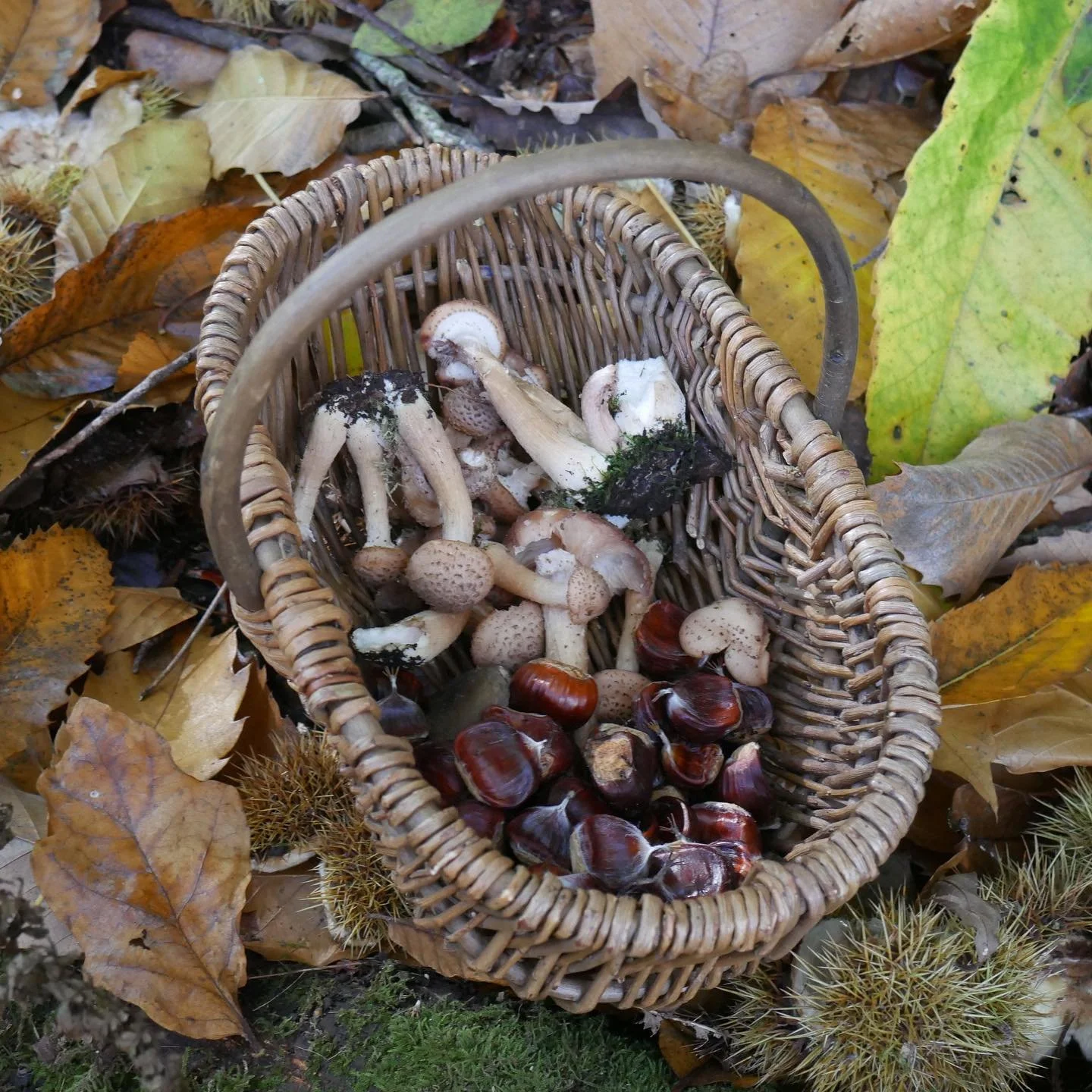
I love the simpler less mythic stories and more so the cautionary tales/superstitions.
There are so many stories about the Elder tree, it was believed to be an elder woman, or that witches inhabited the trees. But I like imagining someone taking rest under the elder tree on a warm summers day, to then unknowingly fall into the fairy realm, witnessing the midsummer fairies being led to their feast by the fairy king.
Lastly (and I'm asking this to everyone) one of the Northern Folklore Duo is a huge film fan, so this question is purely for him... what is your favourite film?!
I like so many films, I’m not sure I have a favourite necessarily, but the Company of Wolves comes to mind!
It was so lovely chatting to Emily and finding out about how plants can anchor us to our local landscapes and bring a sense of community too! You can find Emily over on her website: foragingfolklore.co.uk and instagram @foragingfolklore.
Community Categories
Quick click to another article from the categories below.
- Artist
- Printmaker
- Cornwall
- Folk Music
- Folk Workshops
- Foraging
- Foraging Folklore
- zoe eliza
- Folklore Art
- Emily Wild
- Interview
- Blood Stone Books
- Folklorist
- Pickled Pennies Prints
- Musician
- Craig Hallam
- Wycombe
- Morgana Weeks
- Poet
- Plantlore
- Corn Dollies
- Linocut
- YouTube
- Vic Jay Art
- Ros Lorimer
- Linocut Printer
- Illustrator
- Sasha Spyrou
- Author
- Wyrd Wycombe
- Minifis Oddities
- Stevyn Colgan
- Emma Kathryn
- Filmmaker
- Scared in the Name of Science
- Liza Frank
- Ciara Armstrong
- artist
- elisabeth flett
- Events
- Folklore
- Historian
- North East Folklore Society
- Witch
- Folklore Agony Aunt
- musician
- Will Matthews
- HerOrangeCoat
- Wabi Sabi Creations
- Podcast
- kirsty greenwood
- Publisher
- Nikki Bell
- Another Realm
- folk music
- North East
- Devon
- Kym Deyn
- writer
- Writer
- illustrator