Old Mother Shipton
Knaresborough, Yorkshire 1488
“She foretold the fates of several rulers within and just after her lifetime, as well as the invention of iron ships, the Great Fire of London in 1666, and the defeat of the Spanish Armada.” - mothershipton.co.uk
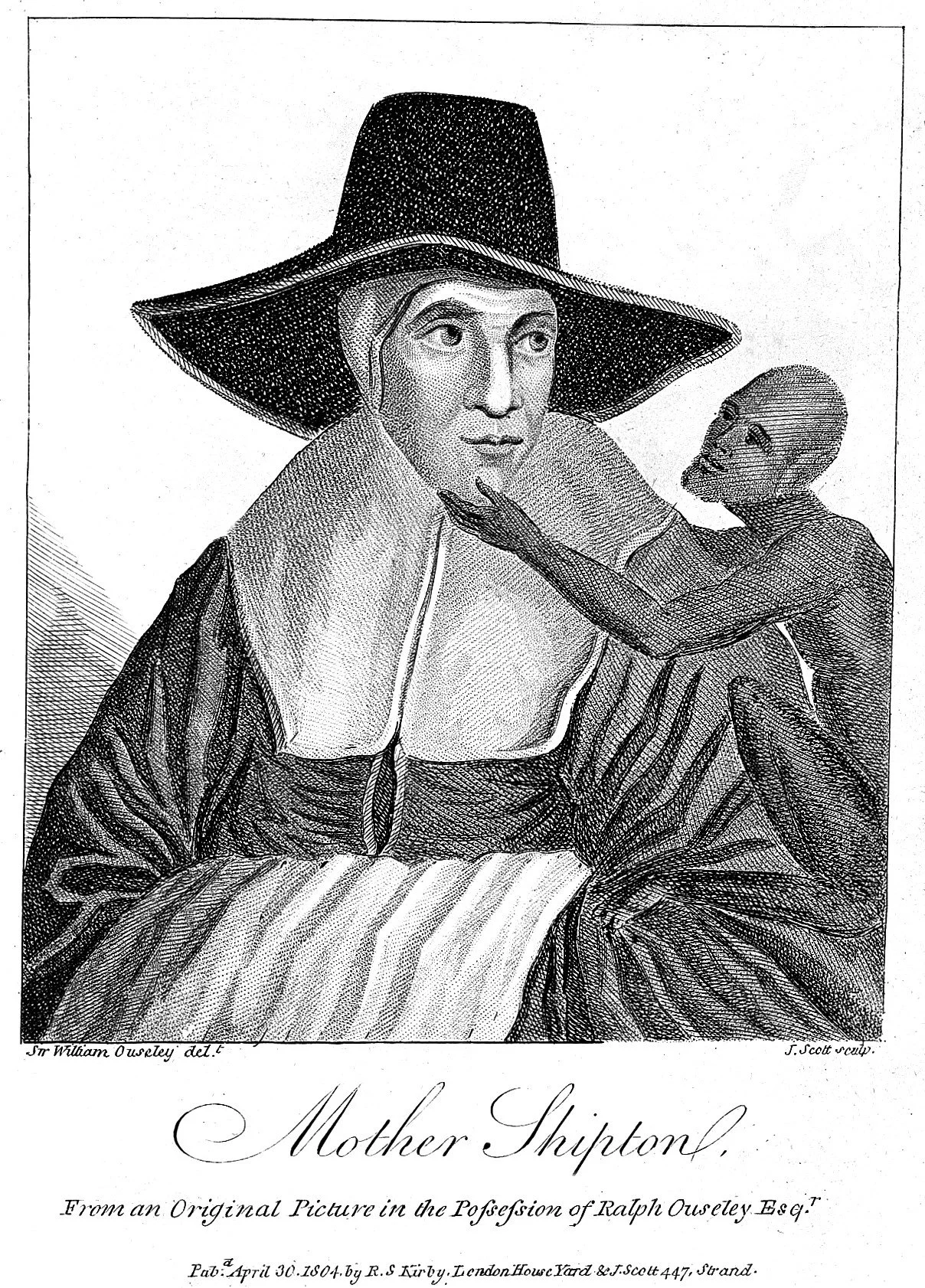
It would feel criminal to have an ongoing archive of Northern Folklore and not mention Old Mother Shipton. Perhaps one of the most notable Prophetess’ in England, ‘Mother Shipton’ (as she became known) begun life as Ursula Sontheil and was born in dire circumstances. In 1488, it is said that an orphan girl of just fifteen years gave birth during a violent thunderstorm in a cave on the banks of the River Nidd in Knaresborough. The girl was called Agatha, and many tried to push her to tell the name of the Father, but Agatha refused. Some say, given the deformities Ursula was born with, that Agatha had made a pact with the Devil which resulted in her giving birth to a ‘hideous child’.
Ashamed of her child, and fearful of the villagers, Agatha raised Ursula in the cave she was born in. For two years they stayed out of everyone’s way, until the Abbott of Beverley took pity on the two and took them in. Agatha met a sad end, being dragged to a covenant far away and passing away before seeing her child again.
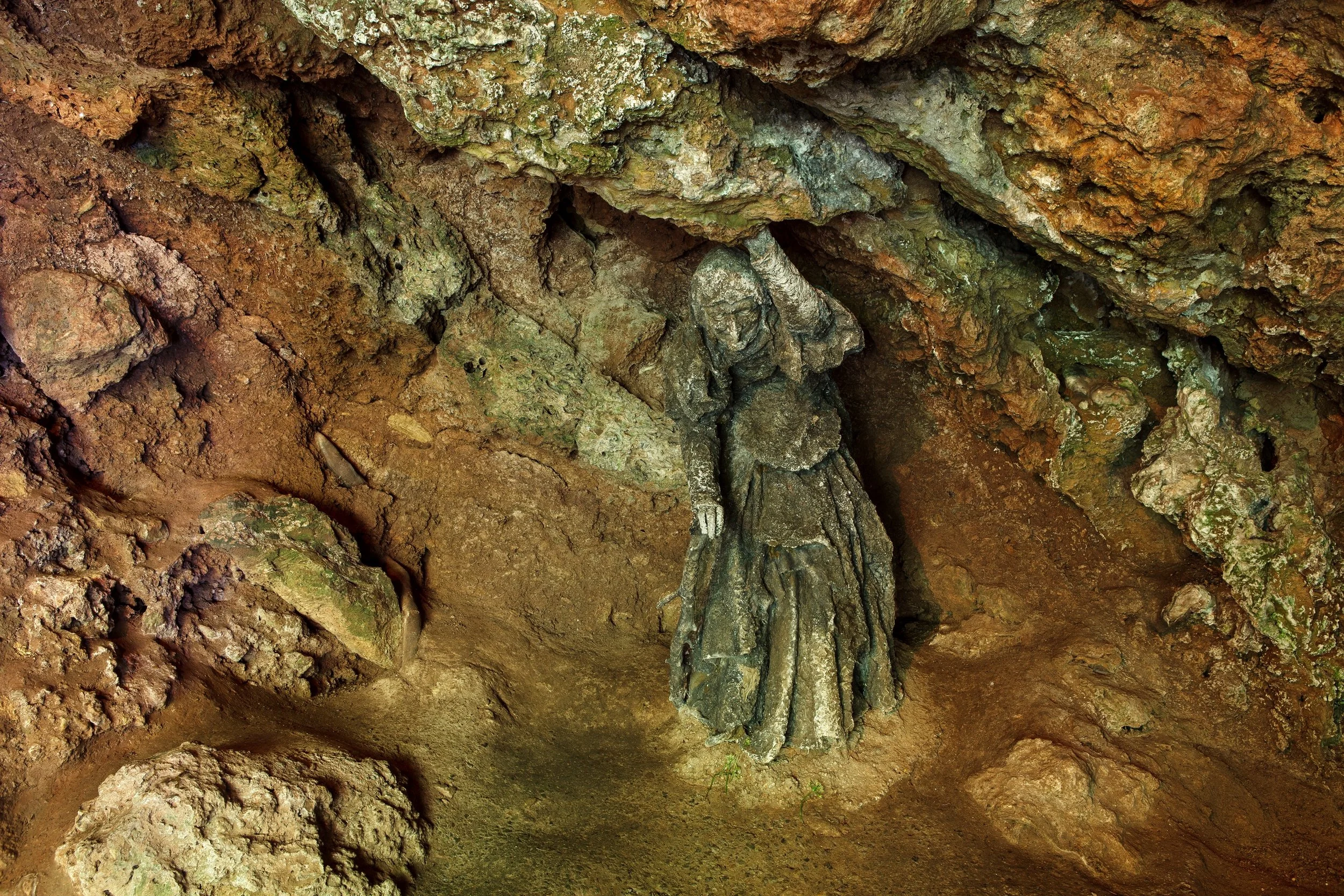
Mother Shipton’s cave in Knaresborough.
Ursula, without her mother, grew up around Knaresborough and quickly gained the reputation of being a ‘strange child’. She grew up with her birth deformities in tact: twisted legs, a bent back and a large crooked nose. Unfortunate, really, that she ended up looking the spitting image of the stereotypical ideas of a witch. Relentlessly bullied for her appearance, Ursula stayed around the cave she was raised in. She spent her time observing the forest lands, learning about the different plants and creatures in nature. She began to use nature to make remedies and potions, learnt all the different uses for the herbs that grew around her.
She eventually gained the trust of the townsfolk using her knowledge of herbs to create medicines for the ailments of the village. Enter: Tobias Shipton. At twenty-four years of age, Ursula met a carpenter from the city of York and only having a few years together before Tobias died and despite not having any children together, Ursula decided to take on his name ‘Shipton’. The trust she had gained from the town was quickly extinguished. Many couldn’t believe that anyone would want to marry such an ugly woman, and spread rumours that she must have bewitched him. After his death, rumours only continued of her using her witchcraft to kill the poor man.
A letter from King Henry VIII to the Duke of Norfolk in 1537 explains of a ‘witch from York’, to which many historians link back to Mother Shipton due to her notoriety as a herbalist. Aside from her healing abilities, Mother Shipton began to claim she could tell the future. She proclaimed that a great storm would devastate York, and it became true. She shouted of the death of Cardinal Thomas Wolsey, and so it would be. She ranted of the dissolution of the monasteries, and this unravelled.
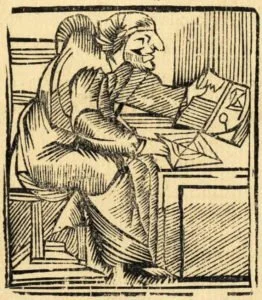
Mother Shipton passed away in 1561, aged seventy-three. It very well could have been that we wouldn't remember Mother Shipton today, she would have just been another of those ‘cunning women’ running around in the early Modern period, if scholars and writers hadn’t told her tale time and time again. In 1862, Charles Hindlay wrote the most notable account of over 100 of Mother Shipton’s prophesies including the invention of iron ships, the Great Fire of London in 1666, and the defeat of the Spanish Armada. Hindlay did go on to admit that he had falsified a lot of his claims, which only muddies the waters when it comes to accurately documenting the tale of Mother Shipton, how many of her prophesies were accurate, how many have people romanticised?!
Whether or not Mother Shipton could tell the future, she is still a formidable woman of folklore. Let us long remember her legacy as a herbalist and healer.