Zoë Eliza: Folk Musician
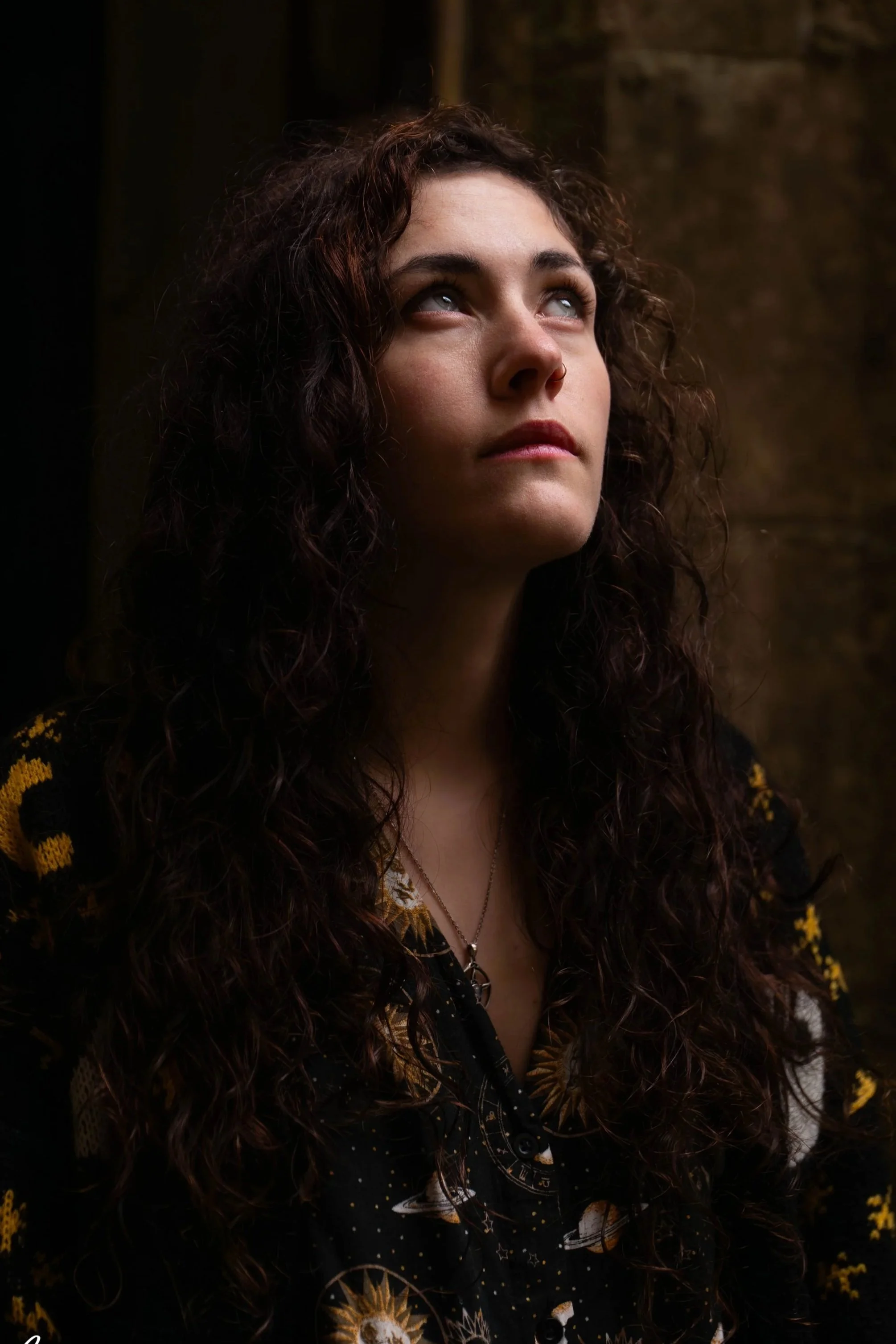
Zoë Eliza is a musician who takes great inspiration from her own experiences of life in Northern England and its folkloric history. Having grown up in Bury, Lancashire, Zoë weaves locality with the whimsy of folklore to create rich, vivid and beautiful tales.
We had the pleasure of chatting to Zoë about what spurred her musicality on, how folkloric inspirations help connect her to her local landscapes and her hopes for encouraging listeners to explore local history and heritage.
Northern Folklore Archive: When did your love for music blossom? Was anything (or anyone!) in your life a catalyst for pursuing music?
Zoë: I would say the most notable thing that kickstarted my love for music was a local venue in my hometown of Bury, called The Met. When I was around the age of 7, my mum started to take me to see folk bands there. It’d often be bands we had never heard of prior to attending, we’d read the programme and decide what sounded like something we might like - it was a brilliant introduction to live music, I was so in awe of the musicians we would watch.
A lot of the music we’d go to watch was traditional folk and so was very geared around folklore and storytelling, and it instilled such a deep love for folk music in me. Over the years, I've had the privilege to watch some of my favourite artists there, such as Kate Rusby, Cara Dillon and Seth Lakeman, and so it’s such a special venue for me. I’ve since had the chance to play there a few times, and it’s felt like such a lovely full circle moment to play on the stage that I have watched all of these incredible folk musicians on.
One of the biggest catalysts I've had for pursuing music is that I've always loved the idea of telling stories through song, particularly the history of northern England. I'm a massive history lover, and I've always found the local history to be so interesting, and such a big part of who we are, so I absolutely love hearing it though different viewpoints. I think it's so important that our local history is passed on, and I've always felt that songs are a wonderful medium to share those tales that we might otherwise not learn about.
For example, one of the songs on my album 'Northern Ground' is a song called 'Eliza's Lament', which I wrote about the plight of a mill worker in the Industrial Revolution in Manchester. I am really fascinated by industrial Manchester and the pivotal role that was played by Manchester in the wider British Industrial Revolution, but even more so by the normal, everyday people that would have been in the midst of it, in impoverished places like Angel Meadow, who's stories aren't as widely shared.
When I went on to do my History masters at uni, I actually did my dissertation on the industrial history of Manchester, and the portrayal of women in literature of the era, so its an area I've been able to do a good bit of research on, in an academic setting, which definitely has inspired a lot more songs, too. Songs are a fabulous vessel to share history, and so being able to share the bits of local history that I’m so interested in is definitely such a big catalyst!
Do you find that utilising folkloric themes within your music helps you to feel more connected to your local landscapes?
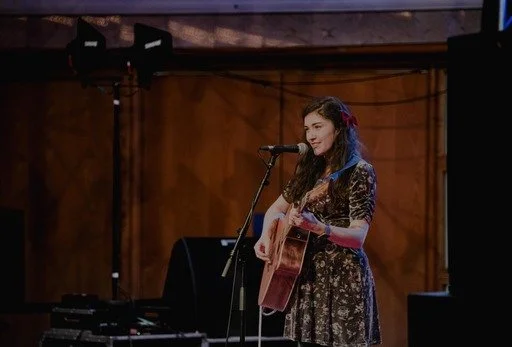
Absolutely- having moved away from home at 18, going to North Wales to university (to study History, of course!), I've always felt that idea of home to be so important, and such a big part of who I am. Even though I lived in such a beautiful part of the world, I had such a longing for home - I’d write songs about the history, landscape and folklore of Lancashire. It was a way to feel closer to home, and it made me feel a sense of pride to be able to share that history and stories whilst being far from home.
I now live in Glasgow, (which is an absolutely fabulous city) and I’ve really enjoyed exploring the folklore and local history of Scotland. My most recent song ‘Call Me a Witch’, which was released last Samhain, was inspired by the dark tales of the Edinburgh Witch trials and the importance of reclaiming the negative titles given to women throughout the centuries, and the importance of reclaiming them.
The song actually came about a few years after going on a ghost tour in Edinburgh. There was a long-standing belief that those accused as witches were drowned in the Nor Loch, which was a sewage-ridden body of water where Princes Street gardens is now. There's not really any evidence that 'Witch Ducking' did go on there, but it did encourage me to look more into the witch trials there, and 'Call Me a Witch' was written as a result of this research.
Which folklore tales have inspired you the most?
There's a few bits of really local folklore that really stuck out to me upon first hearing the stories of them.
The first is the tales of ghosts at the holy well house at Hollingsworth hall in Tockholes. I used to go for walks there with my family quite a lot growing up and would hear the tales of the ghosts there. One of the most recounted tales, and the one I was told, is of a stranded traveller that stayed there overnight and saw multiple ghostly figures there throughout the night. It's a story that's given me the creeps since first hearing it.
The second is the tale of Ellen Strange, who was murdered by her husband, John Broadley, on Holcombe Moor in 1761.
It's believed to be the oldest memorialised case of domestic violence in Britain. John Broadley was arrested at the time, but then due to insufficient evidence, he was acquitted. There have been so many varying accounts of Ellen Stranges story, since, but it's remained a tale that is quite well known in Bury, and there's a cairn on Holcombe Moor memorialising Ellen, that walkers will lay a stone there the moor for her. It was initially believed that she was buried around the site of the memorial, but in 2024 her grave was found in a churchyard in Holcombe.
It's a story that I'd learned from my mum after she brought me home a fabulous little booklet done by a Helmshore local history society about the story of Ellen. The day she brought the booklet home, I was inspired to write a song called 'The Ballad of Ellen Strange'. I am planning to get this properly recorded soon, as I find it so important that people remember Ellen's story.
Do you hope that those listening to your music will discover a new-found interest in their local folklore?
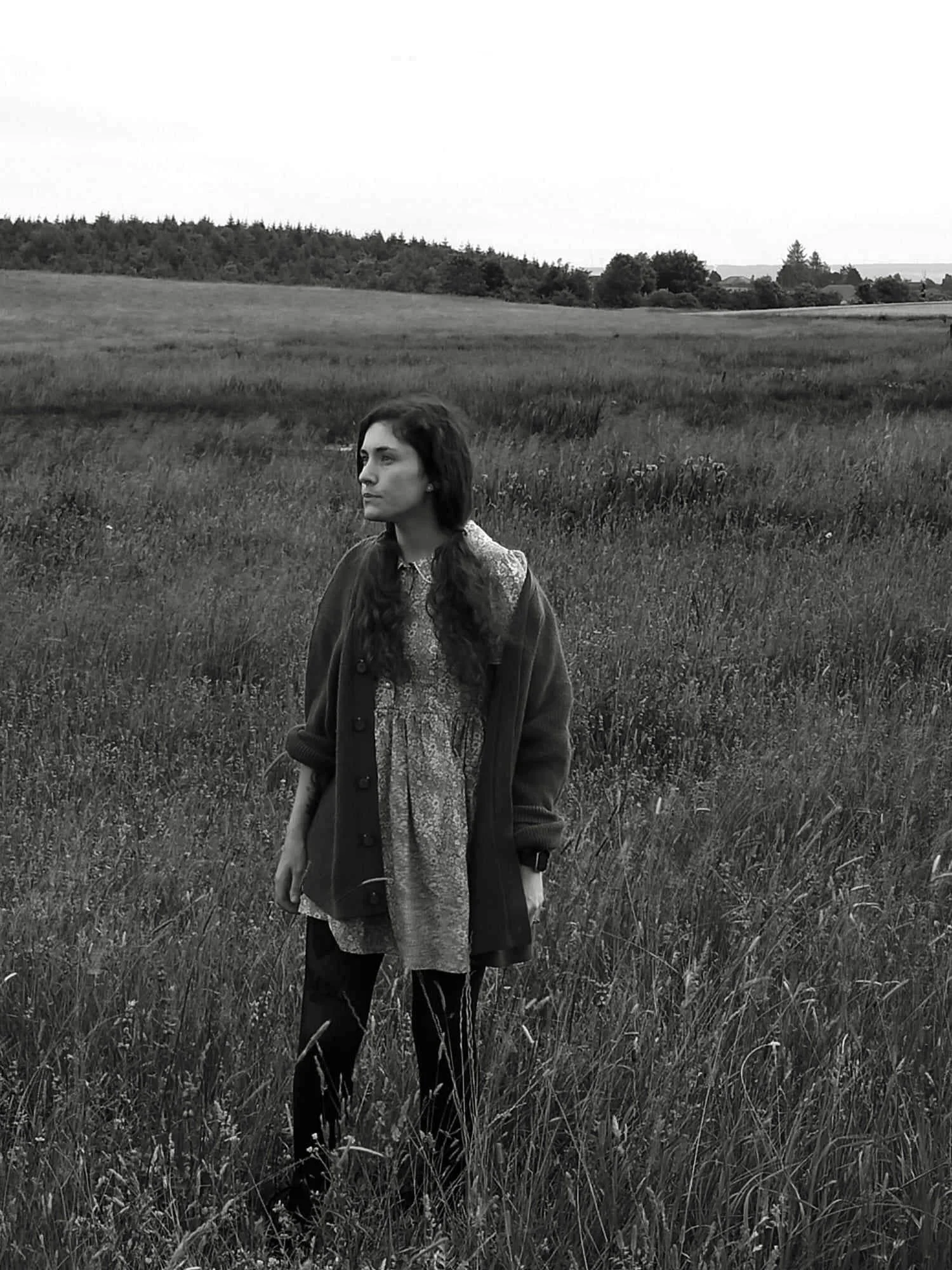
Absolutely! I've always written the songs that I personally would like to hear, or that I look for in music. Because of this, I've gravitated towards local history and folklore. I think the tales from northern England, specifically, can often be overlooked a little within the wider landscape of British folklore (and folk music), but they're so unique and interesting. It helped me gain a real sense of pride for my own heritage and for the often gritty and dark history of northern England.
Folklore can be a fabulous way to learn more about your local history, whether it's the concerns or fears at a certain time period, or from the stories that have been remembered well enough to be passed down through generations. I highly encourage everyone reading to go and look into local folklore, whether this is through reading books of folklore or through listening to a good bit of folk music!
Lastly (and I'm asking this to everyone) one of the Northern Folklore Duo is a huge film fan, so this question is purely for him... what is your favourite film?!
I've always had a super big soft spot for the 2005 adaptation of Pride and prejudice! It's the combination of the muted colour palette in the filming, the fabulous soundtrack and the proposal in the rain that just utterly kills me off.
(Close second favourite film is the 2011 Wuthering Heights- they got the moodiness of the landscape so right!!)
We loved chatting to Zoë, her music is so beautiful and the love for folklore, history and heritage can be heard in every note. If you’d like to keep up with Zoë, you can find her at the following links:
Instagram: www.instagram.com/zoeelizamusic
Facebook: www.facebook.com/zoeelizamusic
tiktok: www.tiktok.com/@zoeelizamusic
Website: www.zoeeliza.co.uk
Community Categories
Quick click to another article from the categories below.
- Artist
- Printmaker
- Cornwall
- Folk Music
- Folk Workshops
- Foraging
- Foraging Folklore
- zoe eliza
- Folklore Art
- Emily Wild
- Interview
- Blood Stone Books
- Folklorist
- Pickled Pennies Prints
- Musician
- Craig Hallam
- Wycombe
- Morgana Weeks
- Poet
- Plantlore
- Corn Dollies
- Linocut
- YouTube
- Vic Jay Art
- Ros Lorimer
- Linocut Printer
- Illustrator
- Sasha Spyrou
- Author
- Wyrd Wycombe
- Minifis Oddities
- Stevyn Colgan
- Emma Kathryn
- Filmmaker
- Scared in the Name of Science
- Liza Frank
- Ciara Armstrong
- artist
- elisabeth flett
- Events
- Folklore
- Historian
- North East Folklore Society
- Witch
- Folklore Agony Aunt
- musician
- Will Matthews
- HerOrangeCoat
- Wabi Sabi Creations
- Podcast
- kirsty greenwood
- Publisher
- Nikki Bell
- Another Realm
- folk music
- North East
- Devon
- Kym Deyn
- writer
- Writer
- illustrator