Elisabeth Flett: Writer, Musician & Theatre-maker
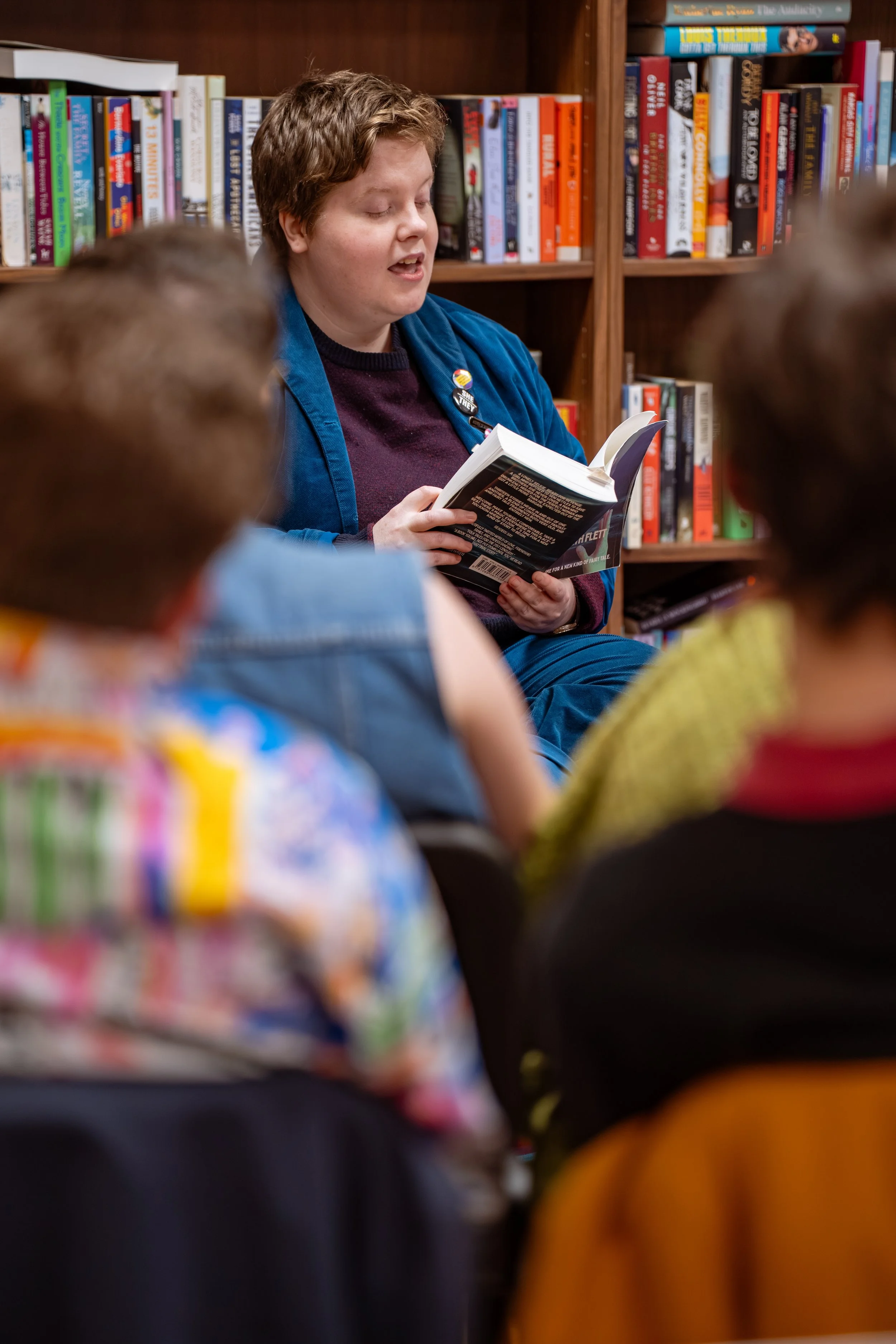
Elisabeth Flett is an award-winning writer, theatre-maker, musician and graduate of the Elphinstone Institute MLitt Scottish Ethnology and Folklore course. With a keen interest in queer Scottish Folklore, Elisabeth is also passionate about exploring mental health awareness, LGBTQ+ rights and gender equality, all of which can be seen in their work.
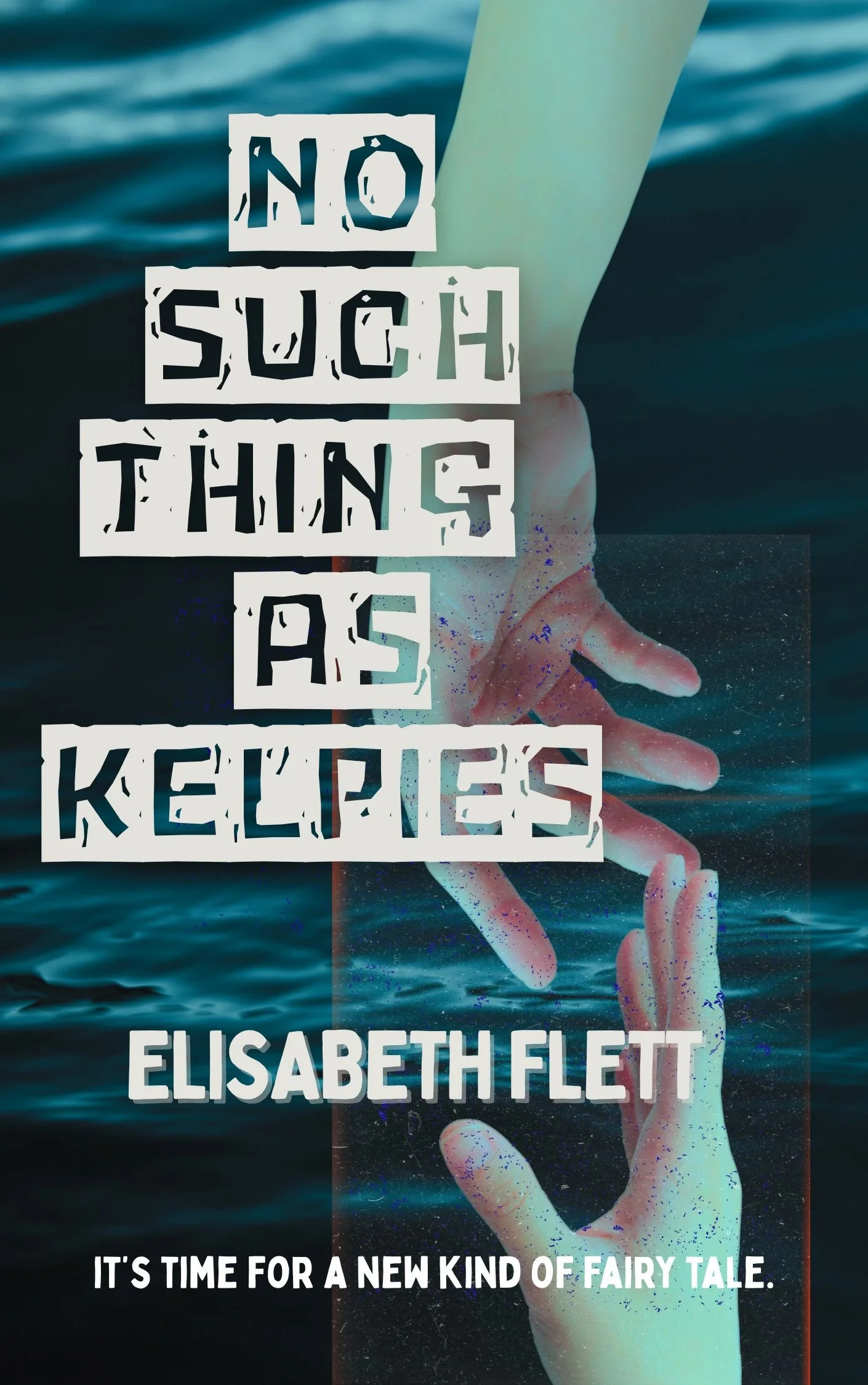
We had the pleasure of chatting to Elisabeth about their journey with literature, connecting to the Scottish landscape, whether queerness in folklore is researched enough and which folkloric creatures they love the most.
Northern Folklore Archive: Has literature always been a big part of your life, or was there a catalyst for this?
Elisabeth: I can't remember a time before I loved books - I was that child growing up, the precocious reader who devoured every age-appropriate and then not age-appropriate genre section in their local library and preferred reading to pretty much anything else.
I still miss my childhood ability to inhale books at terrifying speed, and the childhood ability to fall into the story itself when I turned that first page. My catalyst for deciding that I wanted to write stories was living within the white tent world of the Edinburgh Book Festival every August between the ages of 5-15 (the advantages of home education!) The Literature Tent for Children seemed to go on forever and I would quite literally get lost in it for hours at a time. Who wouldn't fall in love with books, with childhood summers like that?
Did you find that researching Scottish folklore for No Such Thing as Kelpies helped you to connect more to your local landscapes and histories?
It did, yes! There's a saying in folkloristics that it's good to 'dig where you stand' (Sven Lindqvist) and I found it particularly meaningful when I took elements of folktales I already knew, re-imagined those stories and then set them in landscapes which held personal meaning to my own life.
This is especially true for The Hunter, where I enjoyed great satisfaction in recreating the strange BnB, the local not-entirely-friendly pub, the boggy moors and winding roads from my memories of an eerie summer trip I took to the Uists as a sixteen-year-old. (Ha, we can all have creepy dreams now! You're welcome!)
It was also meaningful to set my story The Bone Fiddle somewhere so close to where I grew up - the story is set in Broughty Ferry, and I'm from Tayport on the other side of the river - and use it as a way to talk about some of my own teenage fears and experiences through the eyes of my seventeen-year-old protagonist, Ellie. (Surprisingly enough, no-one has yet pointed out that she essentially has my name. Perhaps I've gotten away with the sneaky sort-of self insert!)
Do you think that queer themes have always been a part of folklore, or do you think there needs to be more research on queer histories and how this relates to the folklore of the time?
I think there is certainly queerness to be found in within folklore - queer people have always existed, after all, and it is hard to know just how much historic LGBTQ+ representation was deliberately erased from the old tales when they were collected by 19th-20th century folklorists (I'm looking at you in particular, Cecil Sharp and Aarne Thompson...)
I do think that shapeshifting tale types with themes such as therianthropy (human/animal shifting) speak to an ancient understanding of gender fluidity, and there are plenty of traditional folk songs such as William Taylor which document the cross-dressing, decidedly queer behaviour of 18th-19th century AFAB people who did things like escape to naval sea life, live as men and take plenty of female lovers.
More research about queer folkloric history is needed, and is thankfully happening: I particularly recommend Sacha Coward's book Queer as Folklore for more information on this subject.
Which folklore creatures/characters/creations from your research are your favourites?
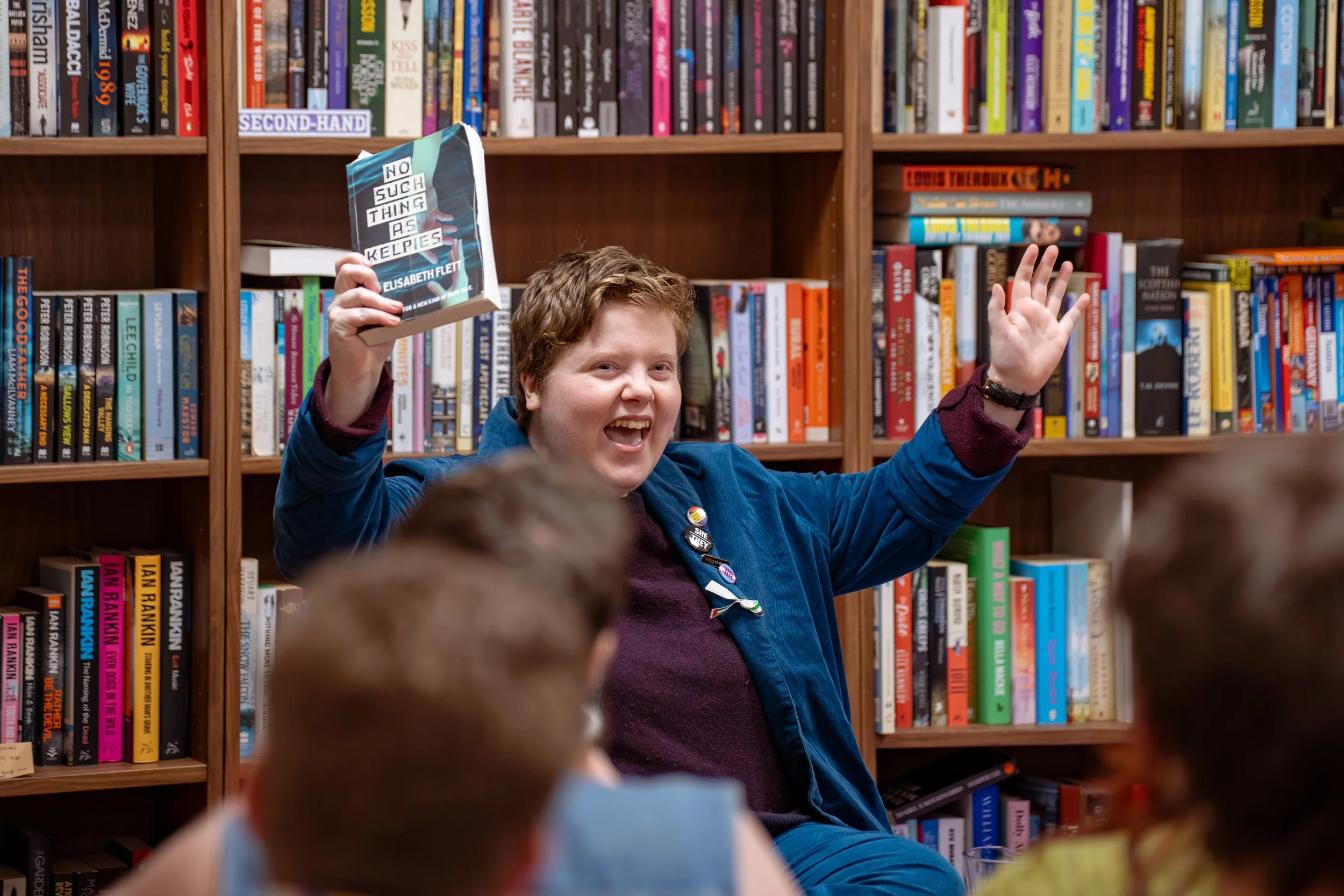
I will always have a soft spot for selkies, as I wrote a whole theatre show about selkies called The Selkie's Wife in 2023 and the show was my starting point for re-imagining Scottish folklore through a queer lens. My selkie character in No Such Thing As Kelpies was also very fun to write, although I can't say too much about that without giving the plot away.
I also enjoyed creating my own eldritch forest horror for the stories Gentleman at the Door and The Forest Is All, although I have to confess to giving myself nightmares after writing those stories and apparently giving a few readers nightmares too! (Sorry, everyone. Hehehe.)
Lastly (and I'm asking this to everyone) one of the Northern Folklore Duo is a huge film fan, so this question is purely for him... what is your favourite film?!
This is an impossible question, so I'm going to go with my favourite film about folk tales - hopefully that's allowed!!
I saw The Green Knight(2021) a few years ago and even though I've only watched it once it's really had a huge impact on me as a teller of stories, and on the vibe of No Such Thing As Kelpies in particular. The soundtrack, the cinematography, the colour palette, the scenes with the creaking, inexorably turning wheel of the year as a heralding of inescapable doom, an unbearably creepy Barry Keoghan, the way Dev Patel asks, "Is this really all there is?" and gets the existential crisis-inducing reply of, "What else ought there be?" That ghost reveal, and dear god - that ending...
The film dragged me down a rabbit hole of research about Arthurian legend for a whole 48 hour period and still lives rent free in my mind even now. May something I write in my lifetime haunt someone as thoroughly as The Green Knight haunts me.
We loved chatting to Elisabeth, particularly about how queerness can be reflected in folktales we all know so well. If you’d like to catch up with them, here are their links:
Social media: @essaflett (IG)
Website: https://www.elisabethflett.com/
Community Categories
Quick click to another article from the categories below.
- Artist
- Printmaker
- Cornwall
- Folk Music
- Folk Workshops
- Foraging
- Foraging Folklore
- zoe eliza
- Folklore Art
- Emily Wild
- Interview
- Blood Stone Books
- Folklorist
- Pickled Pennies Prints
- Musician
- Craig Hallam
- Wycombe
- Morgana Weeks
- Poet
- Plantlore
- Corn Dollies
- Linocut
- YouTube
- Vic Jay Art
- Ros Lorimer
- Linocut Printer
- Illustrator
- Sasha Spyrou
- Author
- Wyrd Wycombe
- Minifis Oddities
- Stevyn Colgan
- Emma Kathryn
- Filmmaker
- Scared in the Name of Science
- Liza Frank
- Ciara Armstrong
- artist
- elisabeth flett
- Events
- Folklore
- Historian
- North East Folklore Society
- Witch
- Folklore Agony Aunt
- musician
- Will Matthews
- HerOrangeCoat
- Wabi Sabi Creations
- Podcast
- kirsty greenwood
- Publisher
- Nikki Bell
- Another Realm
- folk music
- North East
- Devon
- Kym Deyn
- writer
- Writer
- illustrator